
The CANOPY Approach
A Future-Ready Approach to Early Childhood Education
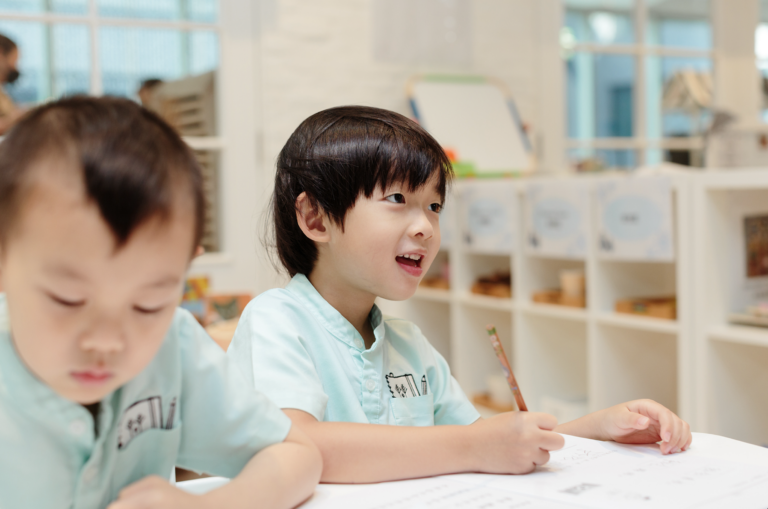
At Trehaus, the CANOPY Approach, CANOPY Curriculum and Trehaus Method work hand in hand to create a holistic approach to early childhood education.
Together, they provide the educational foundation for how we teach, what children learn, and how we put it all into practice, with one shared purpose: raising confident, capable changemakers.
DESIGNED TO WORK WITH DIFFERENT CURRICULA
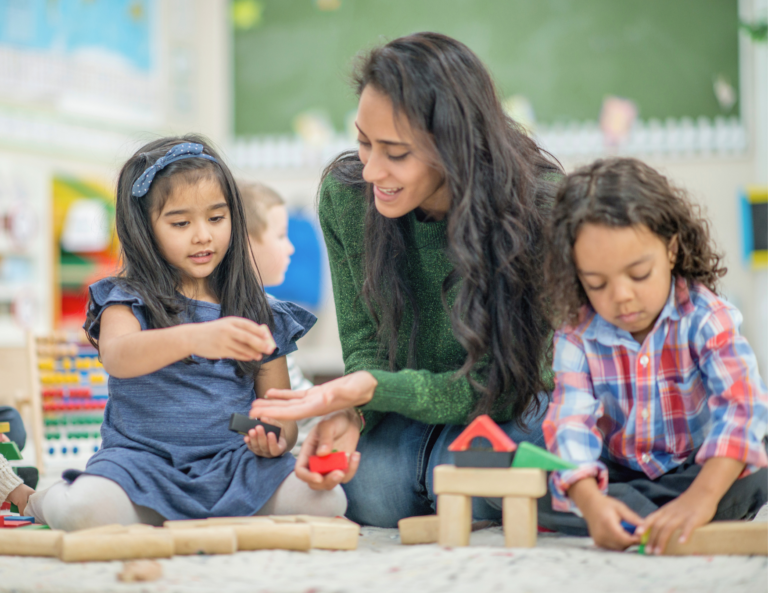
Pedagogy is how you teach.
Curriculum is what you teach.
Because the CANOPY Approach is a pedagogy, schools can use it alongside their own curriculum or educational framework. It provides educators with a shared approach to how children learn, engage and grow without requiring schools to replace what they already teach.
For schools that want both, the CANOPY Curriculum provides a ready-to-use curriculum designed specifically to bring the CANOPY Approach to life.
Already Have a Curriculum? Keep It.
ONE EDUCATIONAL FOUNDATION. THREE CONNECTED PARTS.
CANOPY CURRICULUM
Our curriculum — bringing the CANOPY Approach to life.
Purposeful learning experiences and resources designed to translate our pedagogy into everyday learning.
CANOPY APPROACH™
Our pedagogy — how we believe children learn best.
A research-informed, child-centred approach that guides how educators create meaningful learning experiences.
TREHAUS METHOD
Our operational framework — bringing it all together in your school.
The framework that integrates our approach, curriculum and evaluation to put our educational philosophy into practice.
WHAT IS THE CANOPY APPROACH?
Nurturing the Changemaker in Every Child
The CANOPY Approach is Trehaus’ research-informed, child-centred pedagogy, drawing from the best of established educational philosophies and the latest research into how children learn.
Its name reflects the principles at the heart of our approach:

Curiosity
Encouraging children to question, explore and discover.

Agency
Giving children the confidence to make choices and take ownership of their learning.

Nurture
Creating safe, supportive relationships where every child can thrive.

Openness
Embracing new ideas, perspectives and possibilities.

Purpose
Connecting learning to meaningful, real-world experiences.

You
Recognising every child as a unique individual at the centre of their learning journey.
INFORMED BY THE BEST OF HOW CHILDREN LEARN
Research-Informed. Child-Centred. Future-Focused.
Rather than adhering to a single philosophy, the CANOPY Approach brings together proven practices from leading educational research and pedagogies into a cohesive approach designed to prepare children for the world they are growing into.
Aligned with leading local and international frameworks including Singapore’s NEL Framework, Malaysia’s KP2026, India’s NEP 2020 and NCF-FS, IB PYP, Cambridge and US Common Core to name a few, with inspiration from respected pedagogies like Montessori and Reggio Emilia.

DEVELOPED IN REAL SCHOOLS
Built in Practice. Continuously Refined.
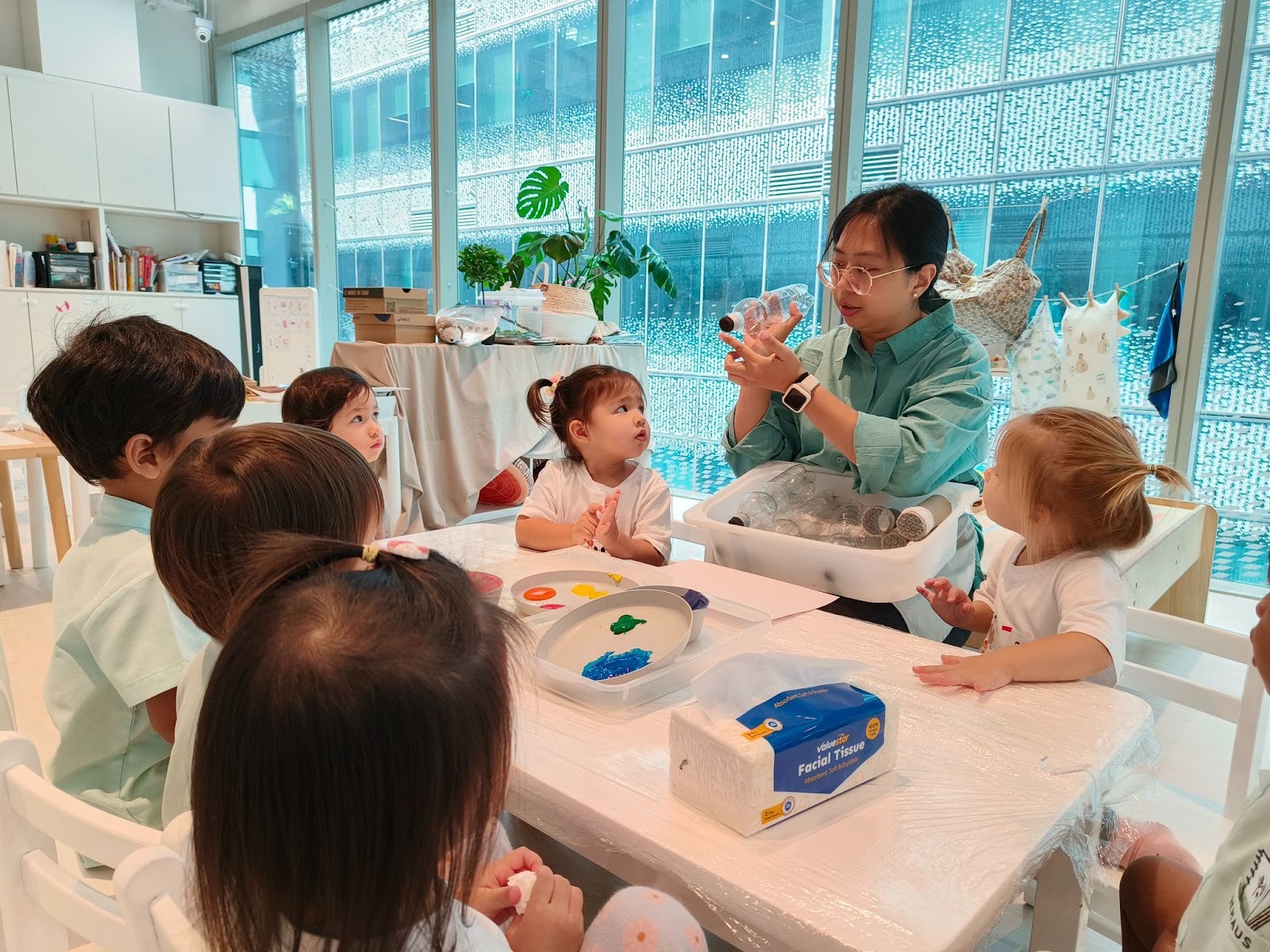
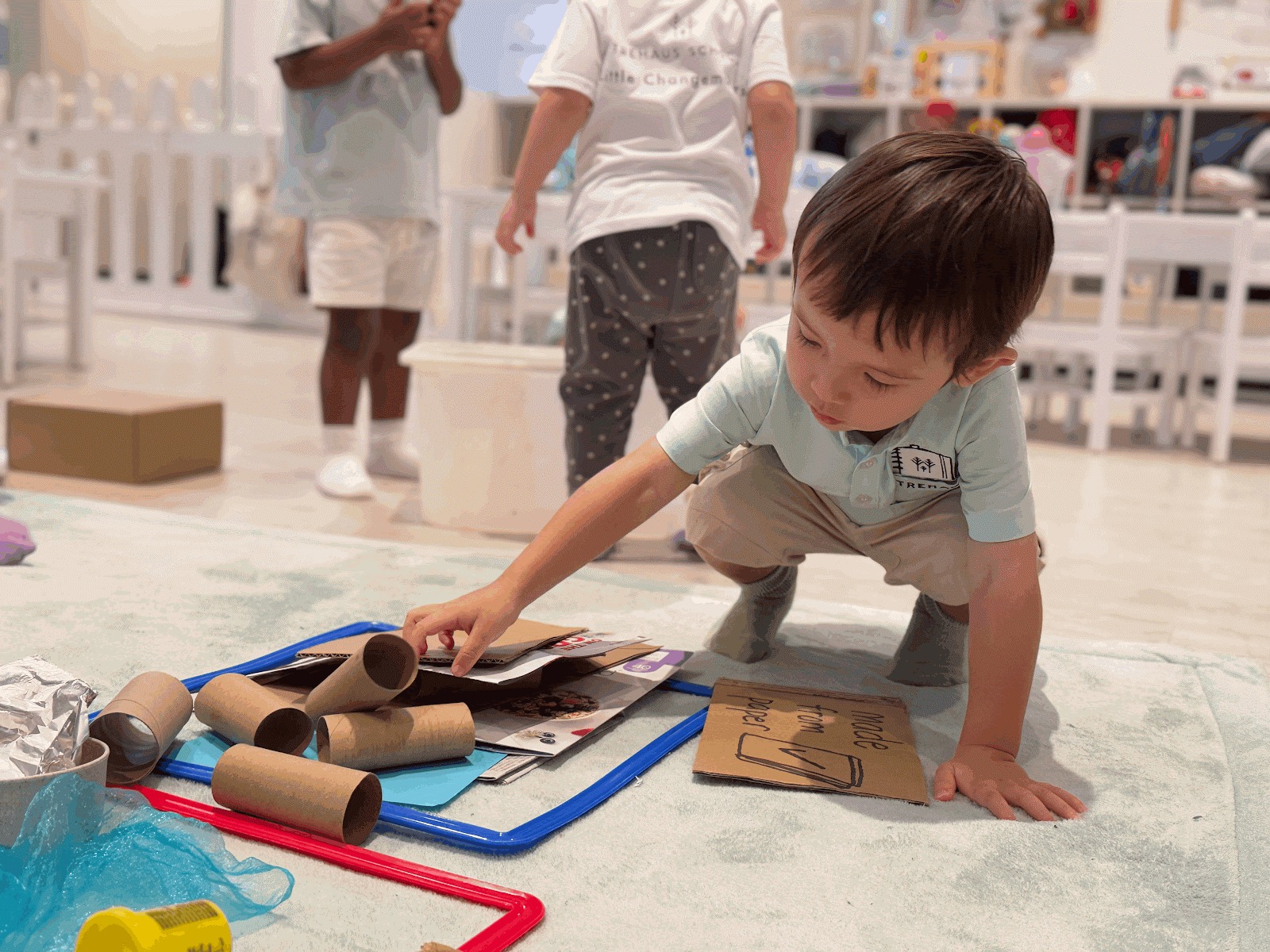
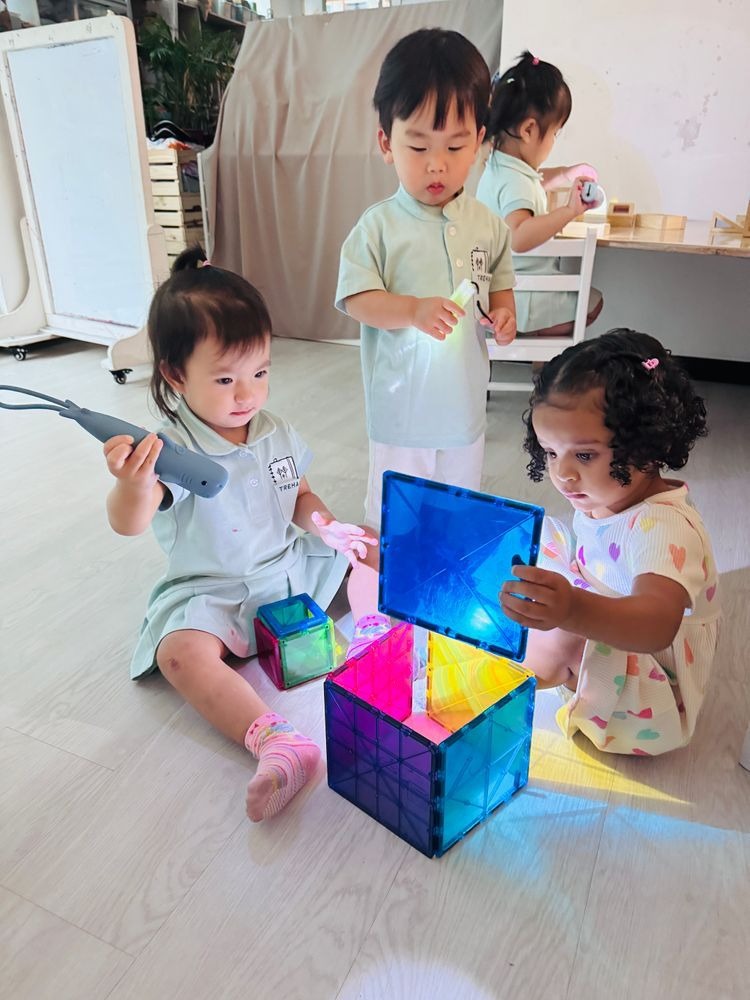
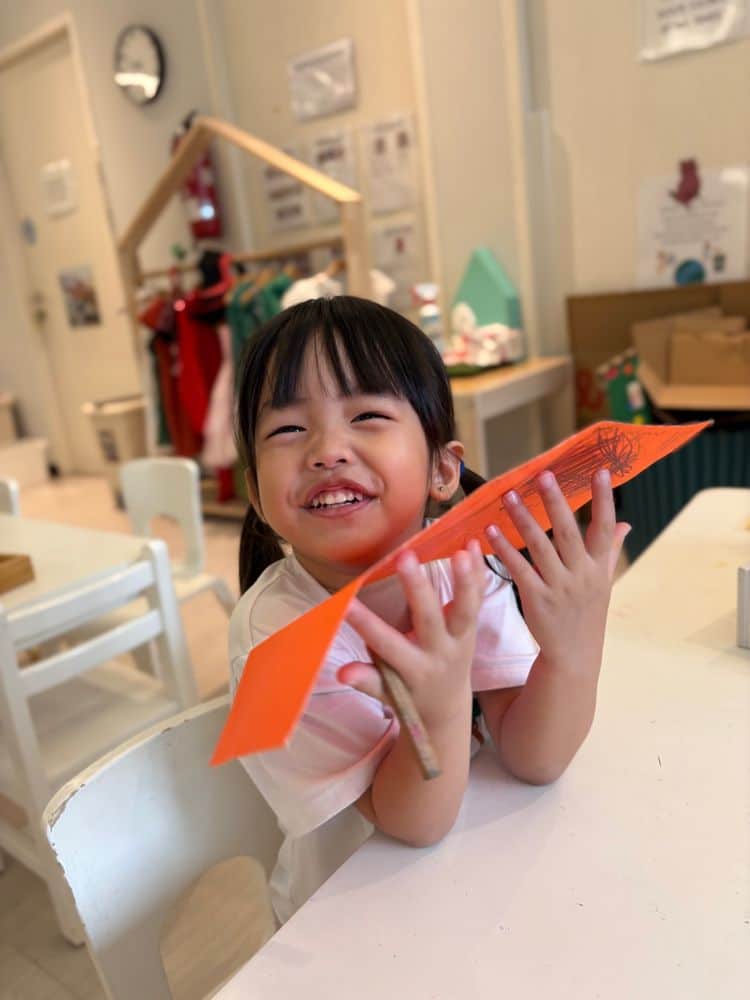
Developed and refined through our flagship research lab school in Singapore, our approach comes to life across our global network of schools Powered by Trehaus.
In practice, the CANOPY Approach guides how children learn, the CANOPY Curriculum shapes what they learn, and the Trehaus Method brings it all together in how a school operates.
DEVELOPING THE WHOLE CHILD
See Where Every Child Is. Help Them Reach Their Potential.

Our Heart, Head, Hands Framework provides an objective, research-based way to track each child’s progress across 21 developmental goals and milestones, helping educators understand where they are and where they can grow.
With Little Lab, educators have the tools to track and measure this progress automatically, turning everyday learning into meaningful, measurable insights.
BRING THE CANOPY APPROACH TO YOUR SCHOOL
An Approach Designed to Travel
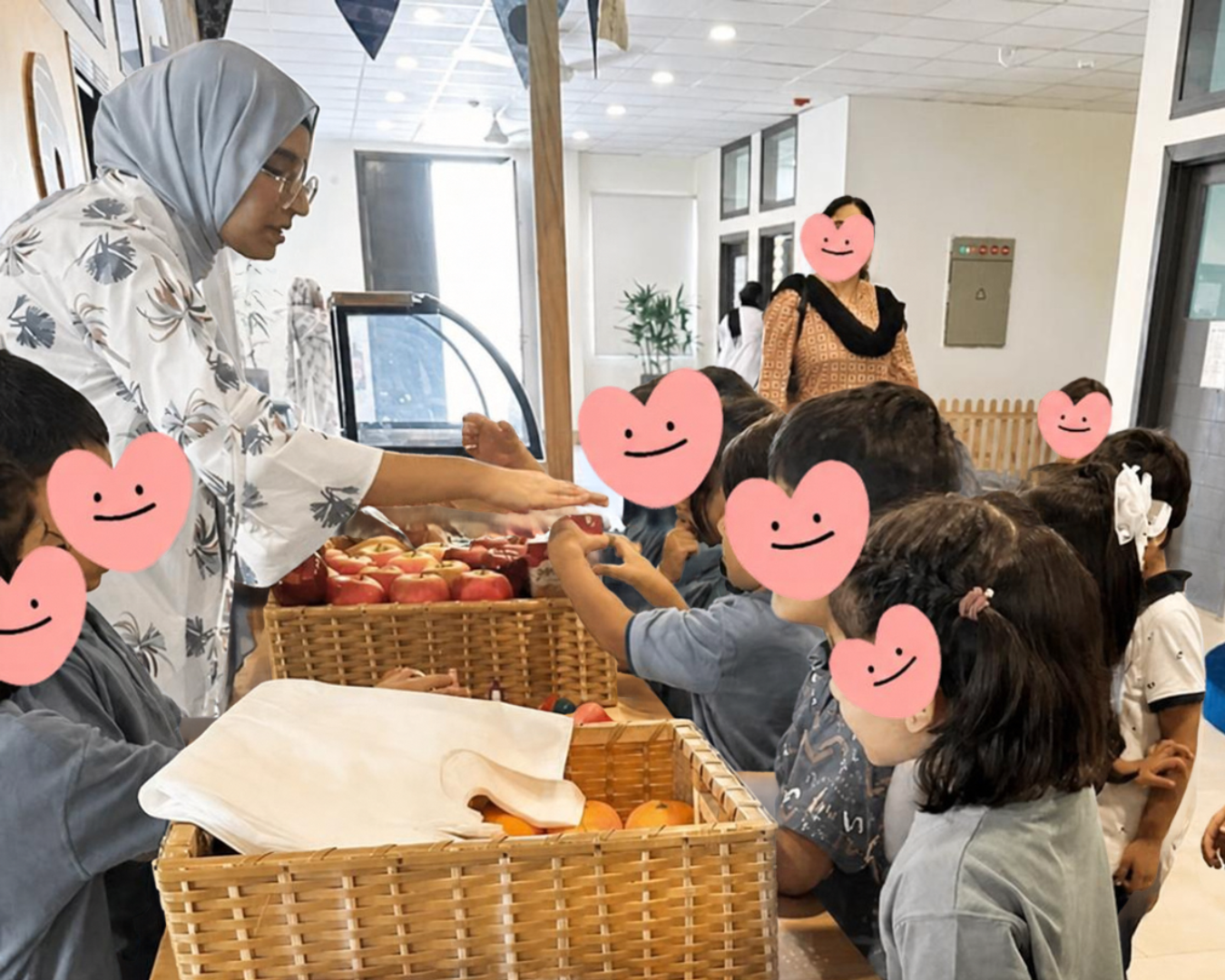
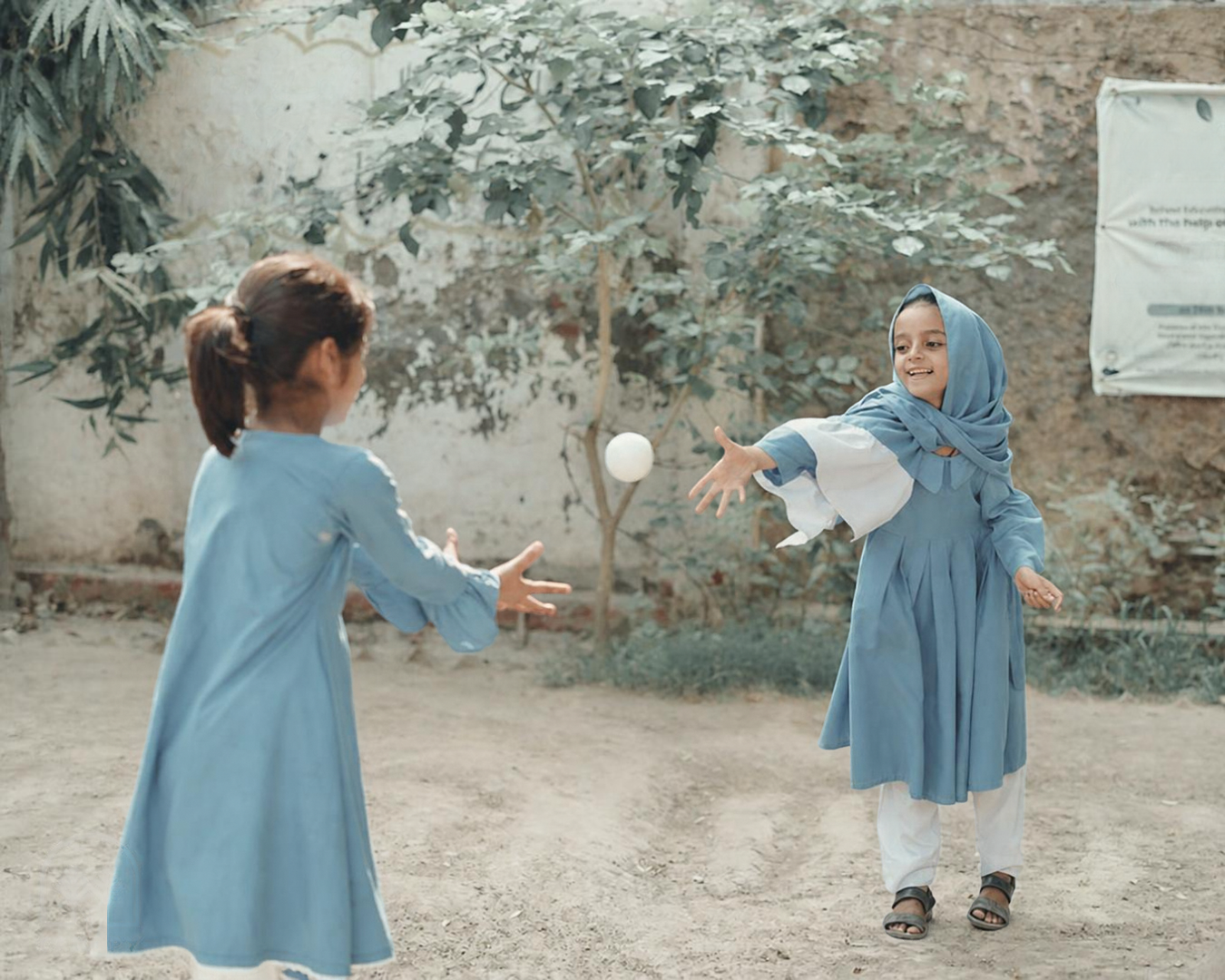
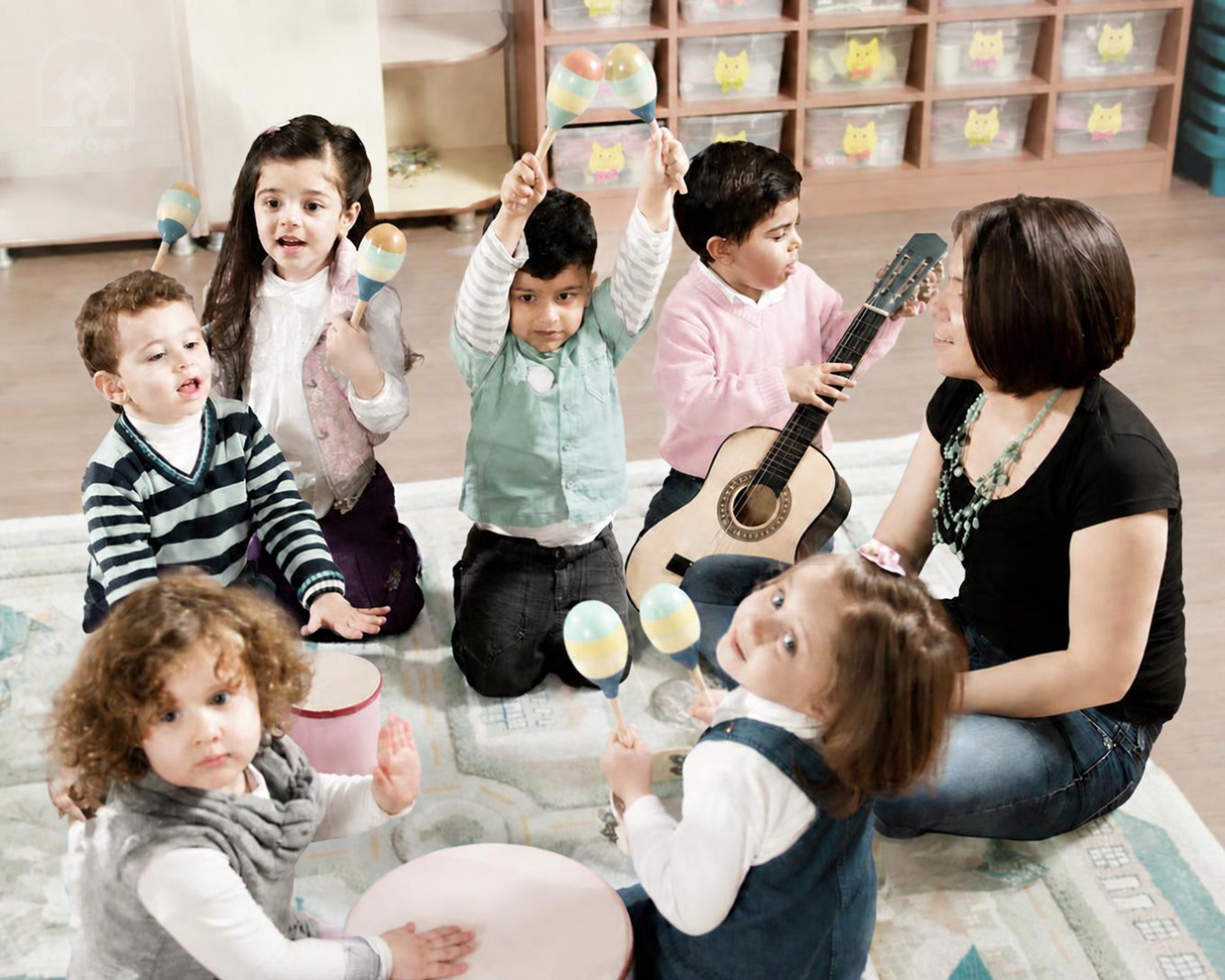
The CANOPY Approach isn’t limited to Trehaus Schools. Through Little Lab, educators and schools can access the training, tools and resources they need to bring the approach into their own classrooms and educational contexts.
Discover how the CANOPY Approach can help your school create meaningful, future-ready learning experiences for every child.
Frequently Asked Questions
Q: What is the CANOPY Approach?
A: The CANOPY Approach™ is Trehaus’ research-informed, child-centred pedagogy for early childhood education. It brings together proven practices from approaches including Montessori and Reggio Emilia, alongside play-based, project-based and social-emotional learning, to nurture confident, capable changemakers.
Q: What is the difference between the CANOPY Approach, CANOPY Curriculum and Trehaus Method?
A: The CANOPY Approach is our pedagogy, guiding how children learn. The CANOPY Curriculum is what we teach, translating that pedagogy into purposeful learning experiences. The Trehaus Method is our operational framework, bringing our approach, curriculum and evaluation together in practice.
Together, they form one connected educational foundation.
Q: Can schools use the CANOPY Approach with their own curriculum?
A: Yes. Because the CANOPY Approach is a pedagogy rather than a prescribed curriculum, schools can use it alongside their existing curriculum or educational framework.
Schools looking for both pedagogy and curriculum can also use the CANOPY Curriculum, which is designed specifically to bring the CANOPY Approach to life.
Q: Is the CANOPYApproach based on Montessori or Reggio Emilia?
A: The CANOPY Approach is not a Montessori or Reggio Emilia programme, but it draws insights from these and other established educational philosophies and research.
Rather than following one methodology, the CANOPY Approach brings together proven practices from Montessori, Reggio Emilia, play-based learning, project-based learning and social-emotional learning into a cohesive, future-ready pedagogy.
Q: How does Trehaus test and develop its educational approach?
A: The CANOPY Approach, CANOPY Curriculum and Trehaus Method are put into practice in our Trehaus Schools in Singapore and Jakarta, where we can observe how they work in real early childhood classrooms.
This real-world application allows us to continually learn, evaluate and refine our approach based on the experiences of children and educators.